Browse The Autism Dietitian Blog


Learn how to overcome picky eating, food refusal, and nutrient gaps in autistic children with 5 simple, practical steps to build a healthy and balanced diet.
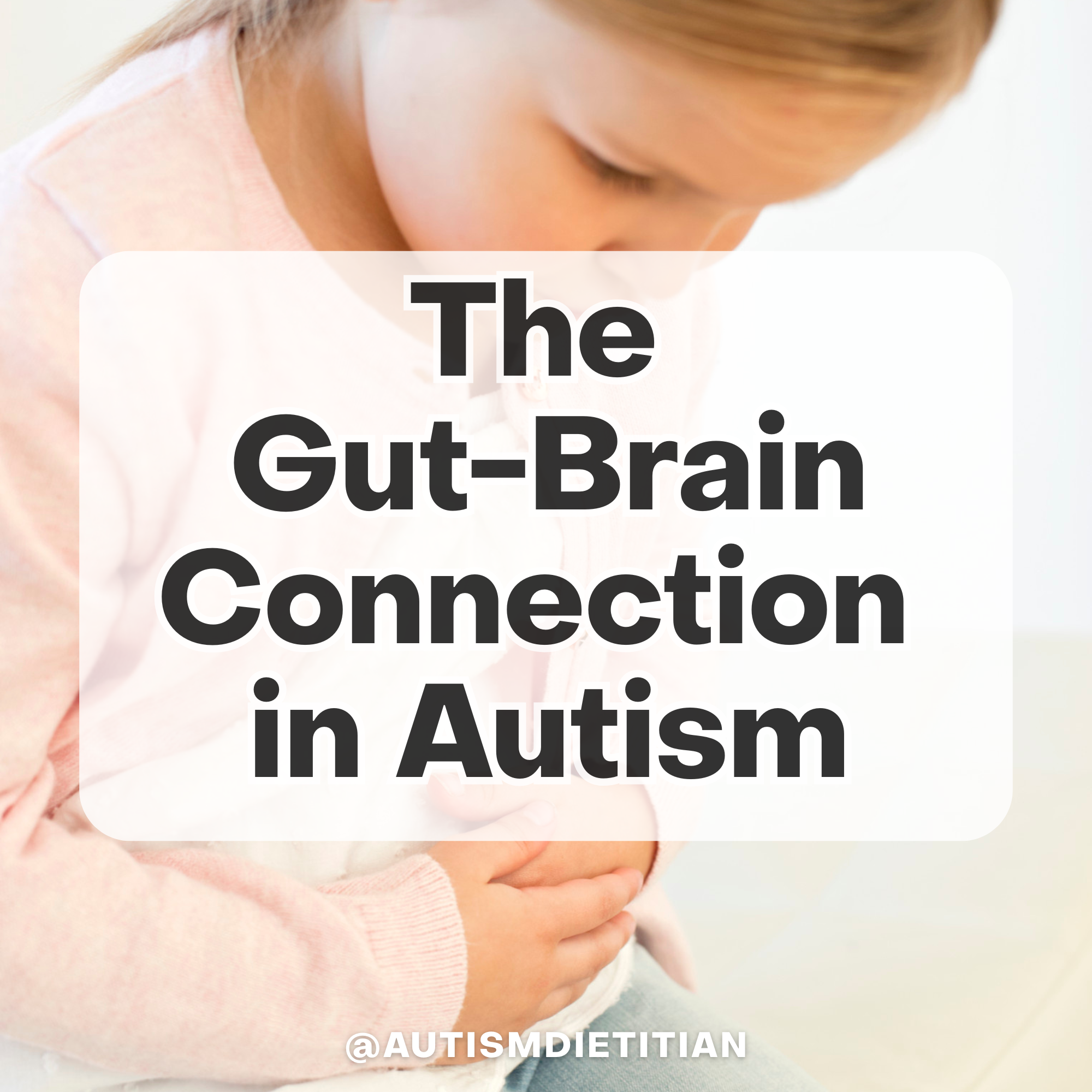
Discover how the gut-brain connection impacts children with autism. Learn how gut health influences mood, behavior, digestion, and sleep, and explore practical, nutrition-based strategies to support your child’s well-being from the inside out.
Curious about the best probiotics for autism? Learn how the gut-brain connection affects behavior, why gut health matters, and which probiotics can support kids with autism spectrum disorder.

Learn how to help picky eaters get the nutrients they need. Explore strategies for expanding their diet, learn about common nutrient deficiencies, and find supplement options for children with selective eating, including multivitamins for picky eaters.

Building an autism diet list for your child may feel daunting, so we’ve compiled a list of the most nourishing foods for autism. These foods supply key nutrients, while eliminating any added ingredients that don’t support your child’s overall health.

ARFID and autism can occur together in some children, causing extreme feeding challenges and severe food restriction, often resulting in lack of weight gain. Fortunately, there are options for treatment to help children with ARFID and autism expand their diets and overcome fear and anxiety around eating.


Planning balanced lunches can be a struggle when life gets hectic. If you’re in a lunch rut, we’ve got 15+ lunch ideas filled with nourishing foods for kids with autism.

Finding breakfast ideas for autism isn’t always easy, so I’ve taken the guesswork out of it and rounded up 20+ breakfasts that are both balanced and satisfying.

Easy dinners are a must for busy days. Here’s a collection of 20 easy dinners that fit perfectly with an autism diet and are a lifesaver on those hectic days.

Planning healthy snacks isn’t always simple, so we’ve compiled 18 nutrition-packed, easy snack ideas that you can add to your autism food list.

Fish oil for autism is considered a go-to treatment for many. Individuals have used it with success as part of a treatment plan to improve symptoms of autism.

Children with autism are more likely to have reactions to food - but there are varying food reactions that can occur. Read more about the symptoms of each, connection to autism, and how to test for them.
Featured:

6 Ways to Calm Anxiety Naturally
Individuals with autism have a higher likelihood of anxiety and depression than the general population. Nutrition can be an effective way to prevent and manage anxiety, especially when targeting the root cause.

Sleep Tips for Your Child with Autism or ADHD
Over half of children with autism – and possibly as many as four in five – have one or more chronic sleep problems”. Losing sleep not only impacts mood and behavior but also causes adverse effects on their social interaction, academic achievement, and well-being of the care-givers. Learn some tips to help your child sleep at night without the need of medications.